

Moving to New Zealand: Insights from My Podcast Interview
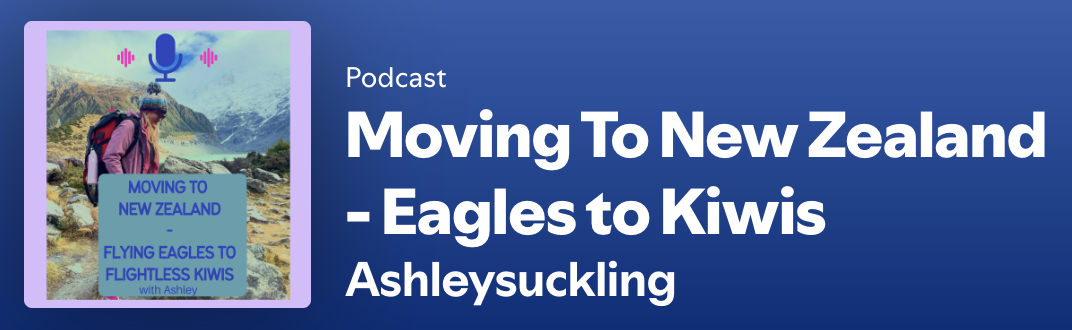
Recently, I had the opportunity to join Ashley Suckling on her podcast, Moving to New Zealand – Eagles to Kiwis, a platform dedicated to sharing genuine stories from Americans who have successfully relocated to New Zealand. During our conversation, we discussed New Zealand immigration and the questions people most frequently ask before deciding to relocate. As an immigration lawyer, I wanted to provide practical guidance based on real client experiences rather than common myths, helping listeners better understand what the immigration journey actually involves.
The podcast explores the journeys, challenges, and lessons learned by Americans from different backgrounds who have chosen to make New Zealand their new home. It is an excellent resource for anyone wondering how to move from the United States or simply looking for honest insights into life in Aotearoa. Hearing real experiences often helps people prepare for both the opportunities and challenges that come with such an important decision.
Listen to the Episode
So You Want to Move to New Zealand? Podcast Episode
The episode focuses on questions submitted directly by listeners who are actively researching visa options or considering relocation. Instead of discussing immigration only from a legal perspective, we looked at the practical side of planning a move, preparing documents, and understanding what to expect before and after arriving.
One of the main topics we explored was immigration to New Zealand and why there is no universal visa solution. Every applicant has different goals, qualifications, work experience, and family circumstances. Choosing the right pathway from the beginning can save time, reduce unnecessary costs, and improve the chances of a successful outcome. Understanding eligibility requirements before submitting an application is one of the most valuable steps anyone can take.
Questions We Discussed
Throughout the interview, Ashley asked many of the questions she regularly receives from her audience. These reflected the concerns of people who are still researching their options as well as those already preparing applications.
Some of the topics covered included:
- Different visa pathways available for Americans.
- Common misconceptions about immigration rules.
- Preparing supporting documentation.
- Choosing the right visa for individual circumstances.
- Planning for long-term settlement.
- Avoiding common application mistakes.
These discussions were designed to give listeners realistic expectations instead of quick answers. Immigration decisions often affect careers, finances, and families, making careful planning essential.
Another important part of our conversation focused on living in New Zealand after the visa has been approved. Moving to a new country involves much more than completing immigration paperwork. New residents need to understand housing, healthcare, employment, education, banking, taxation, and everyday life. Preparing for these practical aspects before departure often makes the transition significantly smoother.
Why This Conversation Matters
Interest in relocating abroad has continued to grow as people seek greater stability, career opportunities, and an improved quality of life. New Zealand remains one of the destinations that consistently attracts skilled professionals, families, entrepreneurs, and retirees looking for a fresh start.
Many people begin researching their options months before submitting an application. During this stage, they compare visa categories, investigate employment opportunities, and learn about regional differences across the country. Investing time in proper research usually leads to better decisions and fewer surprises later in the process.
One of the reasons so many people are attracted to the country is the New Zealand lifestyle. It is often associated with a healthy work-life balance, stunning natural landscapes, welcoming communities, and a strong appreciation for outdoor activities. While every migrant's experience is unique, many find that the slower pace of life and family-oriented culture become some of the biggest advantages of relocating.
Understanding Visa Pathways
During the podcast, we also discussed the importance of choosing the correct visa pathway based on individual goals rather than assumptions. A skilled worker may qualify through one category, while a business owner, investor, partner, or student may have completely different options available.
Applicants should carefully consider factors such as:
- Employment opportunities.
- Long-term residency goals.
- Family circumstances.
- Financial planning.
- Professional qualifications.
- Current immigration requirements.
Understanding these factors early helps applicants build a stronger application and reduces the likelihood of unnecessary delays.
Every immigration case is different, which is why personalised immigration services can make the entire process easier to understand. Professional guidance helps applicants identify suitable visa options, prepare accurate documentation, respond to requests from immigration authorities, and avoid mistakes that could affect processing times. Receiving advice tailored to individual circumstances often provides greater confidence throughout every stage of the application.
Common Misconceptions About Moving
One misconception discussed during the interview is that obtaining a visa automatically guarantees an easy transition. In reality, successful relocation depends on preparation long before departure.
Future migrants should think about employment, accommodation, healthcare, budgeting, insurance, transportation, and community support. Building realistic expectations helps people settle more comfortably once they arrive.
Another common misconception is that information shared online always reflects current immigration policies. While blogs, forums, and social media can provide useful personal experiences, immigration rules change regularly. Relying on up-to-date information and professional advice is always the safer approach.
Planning Ahead Makes the Difference
Relocating to another country is one of the biggest decisions many people will ever make. It affects careers, finances, education, family life, and future opportunities. Taking time to understand every stage of the process allows applicants to make informed decisions instead of rushing into applications.
For anyone considering moving overseas, preparation should begin well before booking flights or submitting paperwork. Researching visa options, understanding legal requirements, preparing finances, and learning about everyday life in New Zealand all contribute to a smoother transition. The more informed applicants are before they begin, the more confident they are likely to feel throughout the entire relocation journey.
Thinking About Moving to New Zealand?
Whether you are only beginning to explore the idea or already planning your relocation, this podcast episode provides practical insights based on real questions from prospective migrants. Rather than focusing on theory, the discussion offers realistic advice that can help you better understand your options and prepare for the next stage of your journey.
If you would like personalised advice about your individual circumstances or want to explore the visa pathway that best matches your goals, feel free to get in touch or book a consultation with Michelle. Receiving tailored legal guidance can help you make informed decisions and move forward with confidence as you plan your future in New Zealand.